The Benefits of a Sprinkler System: Enhancing Your Watering Strategy for Healthier Plants
An automatic sprinkler offers many advantages that can considerably improve irrigation techniques. It assures consistent watering, which is crucial for perfect plant development. Automation lowers the time and labor included in hand-operated watering. Furthermore, these systems can be tailored to meet certain landscape needs. Nevertheless, the advantages extend beyond plain benefit. Recognizing how an automatic sprinkler can boost total landscape health can cause even more lively and durable gardens. The effects are worth checking out additionally.
Regular Watering for Optimum Plant Development
When thinking about the wellness of a garden, constant watering plays a crucial role in promoting ideal plant development. Ample hydration guarantees that plants receive the required moisture for photosynthesis, nutrient uptake, and total vigor. Irregular watering can cause anxiety, triggering plants to suffer or wilt from stunted growth.
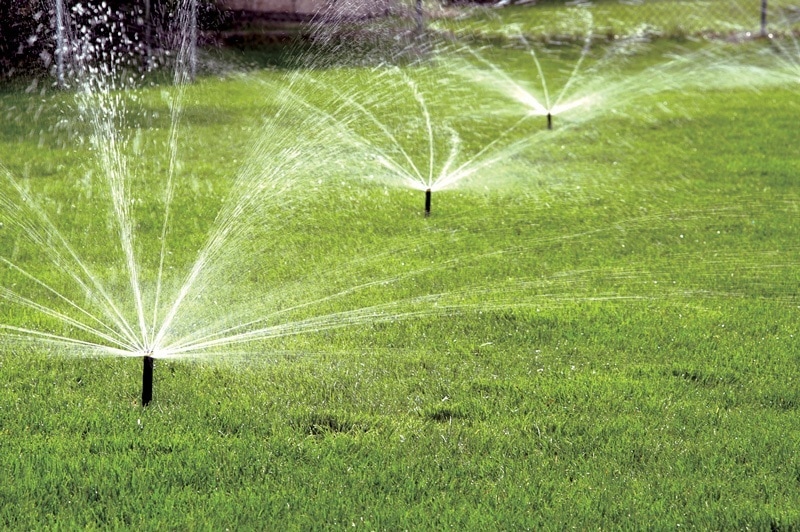
A properly designed lawn sprinkler promotes consistent distribution of water, avoiding over-saturation in some areas while leaving others parched. By keeping a constant wetness level, plants develop durable origin systems, enhancing their resilience versus parasites and illness. Normal watering schedules can be readjusted according to seasonal modifications, allowing for ideal hydration throughout the year. Sprinkler Repair.
Inevitably, regular watering via a reliable lawn sprinkler not only supports healthy plant development yet additionally urges rich foliage and vibrant flowers, contributing to a thriving yard ecological community.
Time and Labor Financial Savings
A well-installed lawn sprinkler provides substantial time and labor cost savings for garden upkeep. By automating the watering process, property owners can eliminate the requirement for hands-on watering, which usually needs extensive effort and time. This automation allows garden enthusiasts to focus on various other essential jobs, such as growing, weeding, and harvesting, instead of investing long hours sprinkling their plants.
Lawn sprinkler systems can be programmed to operate throughout ideal times, guaranteeing that plants get ample moisture without the need for continuous guidance. This decreases the probability of over- or under-watering, leading to healthier plants and less lost initiative. Additionally, the system can be tailored to certain yard areas, guaranteeing that each location receives the ideal amount of water without calling for different watering routines. Ultimately, the time and labor savings paid for by a lawn sprinkler add to a more reliable and satisfying horticulture experience.
Water Preservation and Efficiency
Traditional watering methods can lead to significant water waste, a well-designed lawn sprinkler system boosts water preservation and efficiency. Automatic sprinkler deliver water directly to the origin areas of plants, decreasing dissipation and runoff. This targeted technique warranties that plants obtain the specific amount of water they need, promoting healthier development while lowering water usage on the whole.
In addition, modern-day sprinkler systems frequently come outfitted with timers and wetness sensing units that change sprinkling timetables based upon ecological conditions. This technology protects against overwatering during stormy periods and conserves water throughout dry spells. Furthermore, by covering a wider area evenly, these systems get rid of the need for too much hands-on watering, which can be inefficient and inconsistent.
Incorporating an automatic sprinkler into an irrigation strategy not just sustains sustainable horticulture techniques yet likewise adds to considerable water savings, making it a smart investment for environmentally aware gardeners.
Customizable Watering Solutions
Personalized irrigation remedies provide adaptability that allows gardeners to customize their watering systems to meet the details requirements of their landscapes. These systems can be changed pertaining to timing, duration, and frequency of watering, making sure ideal wetness levels for different plant kinds. By including dirt dampness sensors, gardeners can further fine-tune their watering routines based upon real-time information, preventing overwatering and promoting healthier root advancement.
Furthermore, adjustable choices make it possible for the assimilation of various lawn sprinkler kinds, such as drip systems or revolving nozzles, which deal with unique yard designs and plant needs. This flexibility not only improves plant health and wellness yet also conserves water resources by directing moisture precisely where it is required most. On the whole, customizable irrigation services equip garden enthusiasts to develop effective, efficient sprinkling strategies that foster dynamic, prospering landscapes.
Boosted Landscape Looks
Reliable watering options not only promote plant health yet likewise significantly boost landscape appearances. A well-designed automatic sprinkler assures that plants get regular wetness, resulting in vibrant shades and rich growth. This consistent watering prevents completely dry patches and urges an even circulation of plant, making landscapes appear even more cohesive and welcoming.
Sprinkler systems can be purposefully put to highlight specific functions, such as flower beds, trees, or decorative grasses, boosting the visual allure of outside spaces. The ability to automate watering routines enables for a well-kept look with very little initiative, freeing homeowners from the hand-operated labor of irrigation.

Raised Residential Property Value
Buying an automatic sprinkler typically converts to an increase in building value, as prospective customers recognize the benefits of a properly maintained landscape. Characteristic furnished with reliable irrigation systems have a tendency to show up more appealing, showcasing rich greenery and lively blossom beds. This visual appeal not only improves visual allure yet additionally signals to buyers that the residential property has actually been looked after and kept.
A lawn sprinkler system contributes to the overall ease of landscaping upkeep, allowing homeowners to spend less time on manual watering and more time enjoying their outdoor spaces. The benefit supplied by automated watering can be a significant selling point, attracting hectic family members and individuals.
Eventually, properties including lawn sprinkler systems might regulate greater sale prices and attract more prospective buyers, making it a wise investment for those wanting to improve both their living setting and genuine estate worth.

Often Asked Inquiries
Exactly how Do I Pick the Right Lawn Sprinkler for My Yard?
To select the appropriate lawn sprinkler system for a yard, one ought to think about yard dimension, plant kinds, water pressure, and climate. Looking into various systems and getting in touch with regional gardening professionals can also supply useful insights and referrals.
Can I Set Up a Lawn Sprinkler Myself?
Yes, an individual can set up a lawn sprinkler themselves. Nevertheless, it requires careful planning, expertise of watering techniques, and sufficient devices. Proper research and preparation can cause a successful DIY setup.
Just how Typically Should I Run My Lawn Sprinkler?
A lawn sprinkler must typically run two to 3 times weekly, depending on climate condition and plant demands. It's crucial to change regularity based on rainfall and seasonal adjustments for optimal plant health.
What Maintenance Does a Lawn Sprinkler Require?
Are There Eco-Friendly Sprinkler Options Available?
Yes, eco-friendly lawn sprinkler options are available. These systems often use drip watering, rain sensing units, and clever innovation to maximize water use, lowering waste and promoting lasting practices while ensuring plants get ample hydration.
Sprinkler systems can be set to operate throughout perfect times, making certain that plants receive ample moisture without the requirement for consistent supervision. Lawn sprinkler systems deliver water directly to the origin zones of plants, reducing dissipation and runoff. To select the appropriate sprinkler system for a yard, one need to think about yard size, plant types, water stress, and environment. A sprinkler system must commonly run two to 3 times per week, depending on climate conditions and plant demands. A lawn sprinkler system needs normal upkeep, including inspecting for leakages, adjusting lawn sprinkler heads, cleansing filters, inspecting timers, and winterizing in cooler months.